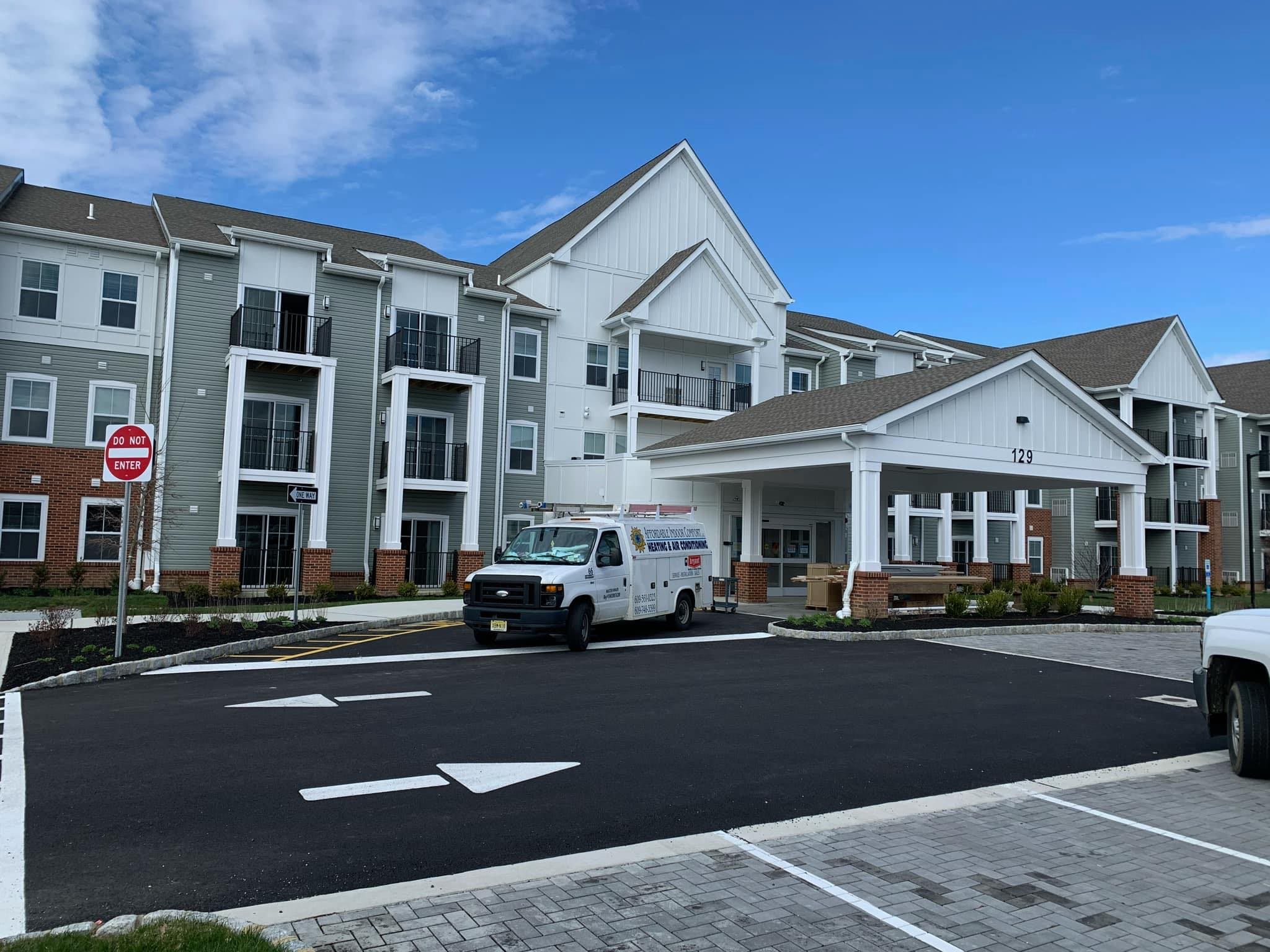
Innovative HVAC Technologies: Transforming the Future of Home Comfort Dec 05, 2025
Smart Thermostats: These have revolutionized how we interact with our home climate systems. By learning household patterns and preferences, smart thermostats adjust temperatures automatically to optimize energy usage without sacrificing comfort. Homeowners can control settings remotely via smartphones, ensuring that their home is always at the ideal temperature when they return. This not only enhances convenience but also contributes significantly to energy savings, making it a key technology in modern HVAC systems.
Variable Refrigerant Flow Systems: Another innovation gaining traction is the Variable Refrigerant Flow (VRF) system. Unlike traditional HVAC systems that operate at full capacity, VRF technology allows for precise control by modulating the flow of refrigerant to different zones within a building. This enhances comfort by maintaining consistent temperatures and reducing energy consumption, making it an ideal solution for larger homes or properties with varying climate control needs.
Geothermal Heating and Cooling: This eco-friendly option taps into the earth’s natural thermal energy, using it to heat and cool your home efficiently. Although the initial investment may be higher compared to conventional systems, the long-term savings in energy costs and the minimization of carbon footprints make geothermal systems an attractive choice. As energy efficiency remains a top priority for many, the demand for geothermal technology is expected to rise.
Energy Recovery Ventilators (ERVs): As homes become more insulated, the need for fresh air circulation without compromising energy efficiency becomes critical. Energy Recovery Ventilators address this by exchanging the energy in the air being expelled from the home with the incoming fresh air. This process pre-conditions the air entering the house, substantially reducing the demand on heating and cooling systems while ensuring adequate ventilation.
Ductless Mini-Split Systems: Especially suitable for homes lacking extensive ductwork, ductless systems provide targeted heating and cooling to different areas within a home. They consist of an outdoor compressor and one or more indoor air-handling units, delivering the precise amount of air conditioning needed to maintain comfort in each room. This method of targeted climate control not only improves efficiency but also reduces energy waste compared to traditional systems.
The Internet of Things (IoT): By integrating IoT technology with HVAC systems, devices can monitor and optimize their operations autonomously. IoT-enabled HVAC systems can detect inefficiencies or issues in real-time and adjust operations to maintain optimal performance. This advancement reduces the chances of unexpected breakdowns, prolongs the lifespan of equipment, and assures consistent comfort.
At Affordable Indoor Comfort, we embrace these innovations to offer tailored HVAC solutions that meet your needs while promoting energy savings and sustainability. By investing in the latest HVAC technologies, you can enjoy unparalleled comfort and efficiency in your home, all while reducing your environmental footprint. As you consider upgrading your home’s HVAC system, exploring these cutting-edge options is a step towards not only enhancing your comfort but also securing your long-term financial savings.
As the HVAC landscape continues to evolve, Affordable Indoor Comfort is committed to guiding you through the constant innovations, ensuring that your home remains a haven of comfort regardless of what the future holds. Whether you are eager to install a smart thermostat or are considering a complete overhaul with a geothermal system, our team is ready to help you find the best solutions for your unique needs.
/filters:no_upscale()/filters:format(webp)/media/08aec6ea-ce0b-4ac3-bcb7-7f241afeb61e.jpeg)